
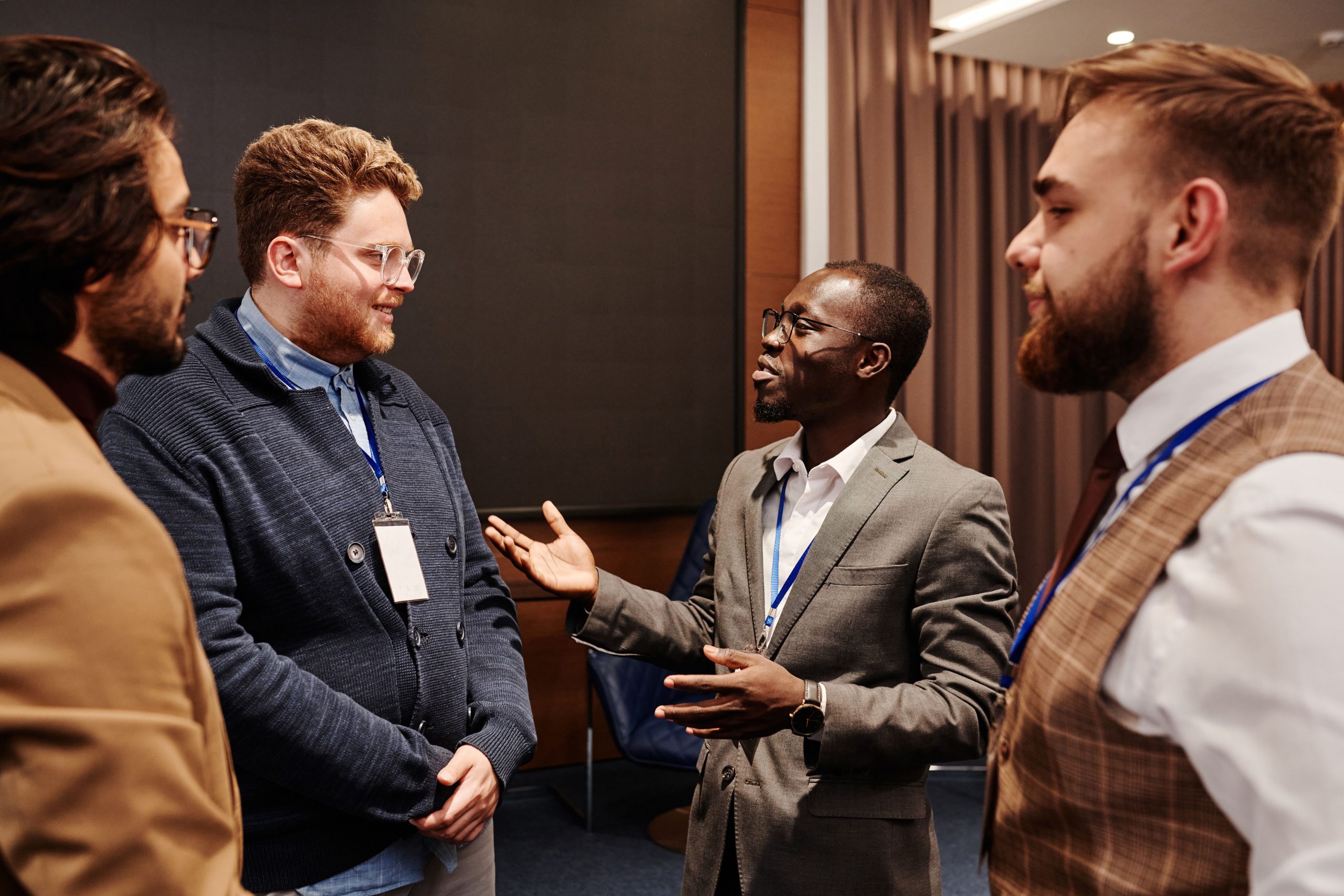
Build a Reputation Before You Need One
People form opinions about you long before a job interview. They look at your online profiles, work history, communication, and public activity. Those details shape your professional reputation.
Your personal brand tells employers, clients, and colleagues what they expect from you. A strong reputation helps people trust your work. Trust leads to interviews, promotions, partnerships, and referrals.
Personal branding is not about becoming famous. Your goal is to present your skills, values, and experience in a clear and honest way.
Every student, graduate, employee, freelancer, and business owner benefits from a strong personal brand.
If you ignore your professional image, other people form opinions without your input.
A strong personal brand gives you more control over your career.
Why Personal Branding Matters
Your Reputation Starts Before the Interview
Most employers search for candidates online before making hiring decisions.
They review your LinkedIn profile, portfolio, personal website, and public social media accounts. They compare those details with your CV.
A complete online profile builds confidence.
An outdated profile raises questions.
No professional presence makes employers work harder to learn about you.
Recruiters often ask simple questions during this process.
- Does this person look professional?
- Do they communicate well?
- Do they share useful knowledge?
- Do they show consistent growth?
- Do they fit our company culture?
Your online presence answers those questions before you enter the interview room.
Personal Branding Builds Trust
Trust Influences Career Decisions
Employers hire people they trust.
Managers promote employees they trust.
Clients choose professionals they trust.
Trust grows through consistent actions.
You build trust when you:
- Meet deadlines.
- Communicate clearly.
- Produce quality work.
- Keep your promises.
- Treat people with respect.
- Continue learning.
People remember reliable professionals.
One positive experience often leads to another opportunity.
Personal Branding Helps You Stand Out
Skills Alone Do Not Separate Candidates
Many applicants hold similar qualifications.
A degree, diploma, or certificate no longer guarantees attention.
Your personal brand helps employers remember your application.
Consider two graduates with similar academic records.
The first submits a CV.
The second submits a CV, maintains an updated LinkedIn profile, shares industry knowledge, volunteers, and presents a portfolio.
The second graduate gives employers more evidence of ability.
Those extra details influence hiring decisions.
Personal Branding Creates Career Opportunities
Opportunities Often Come Through Visibility
Many jobs never appear on public job boards.
Recruiters contact professionals through networking platforms.
Managers recommend trusted colleagues.
Business owners receive referrals from satisfied clients.
Conference organizers invite professionals with strong reputations.
Industry leaders notice people who contribute valuable ideas.
A visible professional reputation increases the chance of receiving those opportunities.
Personal Branding Supports Career Growth
Promotions Depend on Reputation
Strong performance matters.
Professional reputation matters.
Managers look for employees who accept responsibility, solve problems, and work well with others.
Your workplace reputation grows through daily habits.
Examples include:
- Arriving prepared.
- Completing tasks on time.
- Supporting colleagues.
- Taking initiative.
- Accepting feedback.
- Producing consistent results.
Small actions shape long term career growth.
Personal Branding Helps Students
Start Building Early
Many students wait until graduation before thinking about career development.
Early preparation creates an advantage.
Students build strong personal brands through:
- Internships.
- Volunteer work.
- Student leadership.
- Academic projects.
- Professional networking.
- Online learning.
- Skills development.
Those experiences strengthen future job applications.
Employers value practical experience alongside education.
Personal Branding Helps Job Seekers
Your CV Is One Piece of the Story
Your CV lists qualifications and experience.
Your personal brand shows your professional attitude.
Employers value candidates who continue learning.
Examples include:
- Industry certifications.
- Online courses.
- Personal projects.
- Community involvement.
- Published articles.
- Professional portfolios.
Those achievements show commitment to growth.
Build a Strong LinkedIn Profile
Your Digital Resume
LinkedIn serves as one of the first places employers search.
Your profile should include:
- A professional photo.
- A clear headline.
- An updated work history.
- Skills.
- Certifications.
- Volunteer experience.
- Recommendations.
- Contact information.
Review your profile often.
Keep every section accurate.
Share Useful Knowledge
Teach What You Learn
You do not need twenty years of experience before sharing useful ideas.
Your experiences help other people.
Topics include:
- Lessons from internships.
- Industry trends.
- Career advice.
- Book reviews.
- Project summaries.
- Productivity tips.
- Professional development.
Helpful content builds credibility over time.
People begin connecting your name with useful information.
Networking Strengthens Your Reputation
Professional Relationships Matter
Networking is about building relationships.
Strong relationships grow through consistent communication.
Useful networking activities include:
- Industry events.
- Career fairs.
- Professional associations.
- Alumni groups.
- Online discussions.
- Workshops.
- Webinars.
Support other professionals.
Offer value during conversations.
People remember professionals who help others.
Consistency Shapes Your Brand
Daily Habits Build Your Reputation
Personal branding depends on consistency.
Your daily actions matter.
Professional habits include:
- Showing respect.
- Keeping commitments.
- Communicating clearly.
- Producing quality work.
- Learning new skills.
- Solving problems.
- Acting honestly.
Consistency builds confidence.
Confidence strengthens your reputation.
Common Personal Branding Mistakes
Avoid These Problems
Many professionals damage their reputation without noticing.
Ignoring Your Online Presence
Employers expect updated professional profiles.
Review your online presence often.
Remove outdated information.
Posting Unprofessional Content
Public posts affect employer opinions.
Think before posting.
Protect your reputation.
Exaggerating Your Experience
Honesty builds trust.
False information damages credibility.
Keep every claim accurate.
Using Different Information Across Platforms
Your CV, LinkedIn profile, and portfolio should match.
Conflicting information creates confusion.
Stopping Personal Development
Career growth never stops.
Continue learning throughout your career.
Practical Steps to Build Your Personal Brand
Start With Small Actions
Building a personal brand does not require a large budget.
Daily improvements create lasting results.
Identify Your Strengths
Ask yourself:
- What skills do I perform well?
- What problems do I solve?
- What feedback do I receive most often?
- What work do I enjoy?
Your answers help define your professional identity.
Improve Your Online Profiles
Update your:
- LinkedIn profile.
- Portfolio.
- Professional biography.
- Contact details.
- Skills.
- Experience.
Accuracy matters.
Share Valuable Content
Write about topics connected to your profession.
Focus on helping other people.
Consistency matters more than quantity.
Expand Your Professional Network
Connect with professionals in your industry.
Attend networking events.
Join professional communities.
Maintain those relationships.
Continue Learning
Industries change every year.
Develop new skills through:
- Online courses.
- Professional certifications.
- Workshops.
- Industry events.
- Books.
Learning strengthens your professional reputation.
Request Feedback
Constructive feedback helps you improve.
Ask supervisors, colleagues, mentors, and clients for honest opinions.
Apply useful suggestions.
Growth becomes visible over time.
Personal Branding Across Different Careers
Every Profession Benefits
Teachers build trust through student success.
Healthcare workers build trust through patient care.
Engineers build trust through reliable work.
Designers present portfolios.
Writers publish quality content.
Sales professionals build strong client relationships.
Business owners earn repeat customers through consistent service.
Every profession depends on reputation.
The Future of Personal Branding
Professional Visibility Continues to Grow
Technology continues changing recruitment.
Remote work increases competition.
Digital portfolios receive more attention.
Professional networking platforms influence hiring decisions.
Employers review more than qualifications.
They look for evidence of skills, communication, and professional behaviour.
A strong personal brand helps people understand your value before they meet you.
Invest in Your Professional Reputation
Your personal brand follows you throughout your career.
Every project contributes to your reputation.
Every conversation shapes professional relationships.
Every new skill increases your value.
Every positive interaction strengthens trust.
Start building your reputation today.
Keep learning.
Produce quality work.
Communicate with professionalism.
Support other people.
Stay consistent.
Your professional reputation grows through your actions. Over time, those actions create new career opportunities.










Leave a Reply