
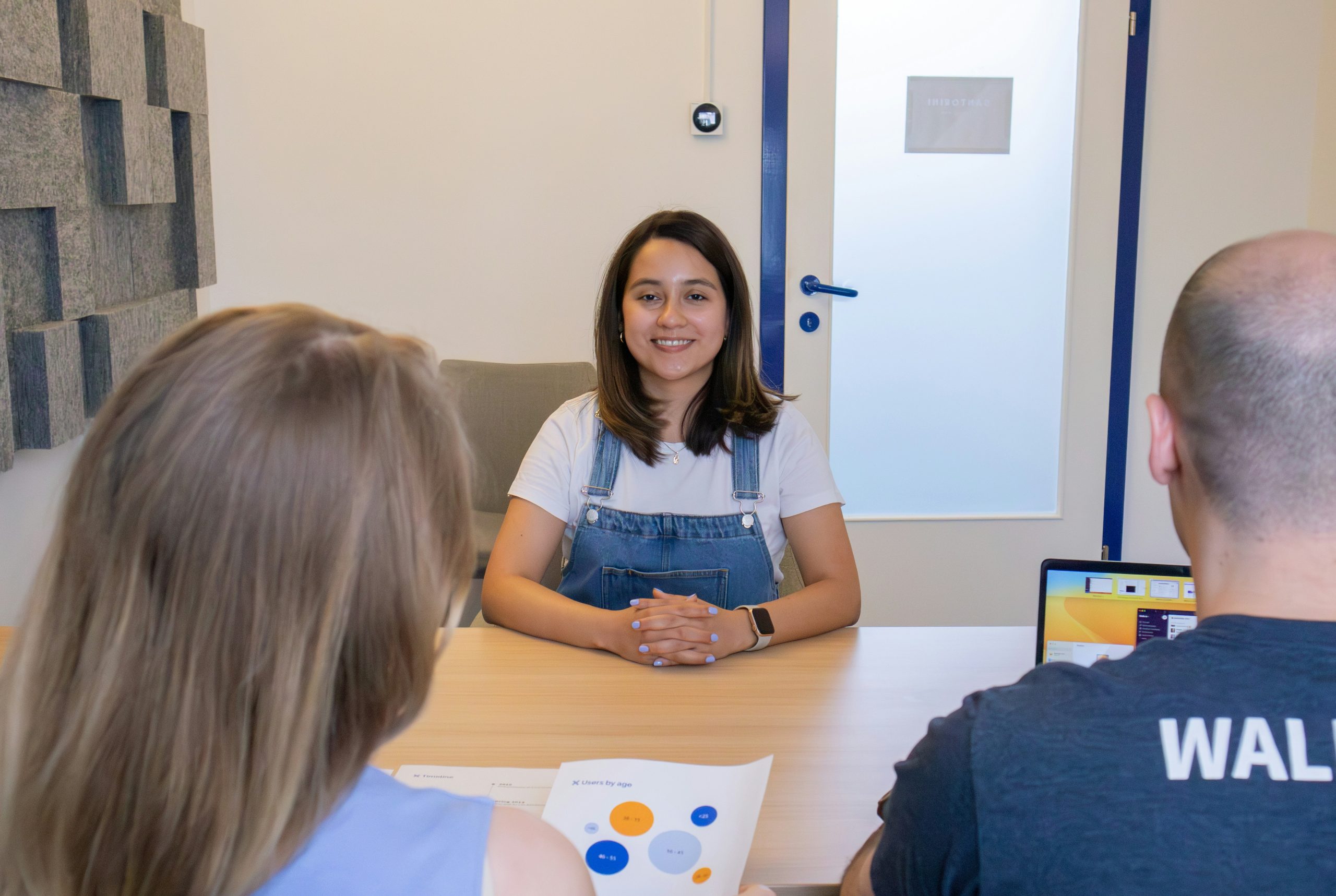
A learnership interview gives you an opportunity to show your skills, attitude, and willingness to learn.
Many young South Africans apply for learnerships because these programmes provide workplace experience and industry skills. Learnerships help unemployed youth develop practical abilities while working toward recognised qualifications.
Getting an interview means your application met the basic requirements. The next step is proving why you deserve the opportunity.
Employers look for applicants who show:
- Commitment
- Responsibility
- Good communication
- Willingness to learn
- Professional behaviour
Your preparation before the interview affects your performance. Research the company. Understand the learnership. Practise your answers. Prepare your documents.
This guide explains how you should prepare for a learnership interview and improve your chances of success.
What Is a Learnership Interview?
A learnership interview is a meeting between you and an employer or training provider.
The employer uses the interview to understand:
- Your background
- Your skills
- Your career goals
- Your interest in the programme
- Your readiness for workplace training
A learnership interview differs from a normal job interview. Employers understand many applicants have limited work experience. They focus on your potential, attitude, and willingness to develop.
Your goal is to show that you are ready to learn and contribute.
Understand the Learnership Before Your Interview
Before attending your interview, study the learnership details.
Read the job advertisement carefully.
Identify:
- Learnership title
- Company name
- Required qualifications
- Required skills
- Main duties
- Duration of the programme
Understanding the programme helps you answer questions clearly.
For example, if you apply for an Administration Learnership, prepare information about:
- Computer skills
- Filing systems
- Customer service
- Office communication
If you apply for an Environmental Learnership, prepare information about:
- Environmental management
- Waste management
- Conservation
- Safety procedures
Your answers should connect with the learnership requirements.
Research the Company
Employers expect applicants to know basic information about the organisation.
Research the company before your interview.
Learn about:
- Company history
- Products or services
- Industry activities
- Workplace values
- Community projects
Use the company website and official social media pages.
Prepare an answer for questions about why you want to join the organisation.
Example:
“I applied for this learnership because your organisation provides an opportunity to gain workplace experience and develop skills in my chosen field.”
A researched answer shows preparation.
Review Your CV Before the Interview
Your CV gives employers information about your qualifications and experience.
Review your CV before attending the interview.
Know information about:
- Your education
- Your skills
- Your previous experience
- Your certificates
- Your achievements
Employers often ask questions based on your CV.
If your CV mentions computer skills, prepare examples of how you used those skills.
If your CV mentions teamwork, prepare examples from:
School projects
- University assignments
- Volunteer activities
- Previous jobs
Your answers should match the information on your CV.
Prepare Your Interview Documents
Organise your documents before the interview.
Prepare:
- Updated CV
- Identity document copy
- Certified qualifications
- Academic records
- Certificates
- Proof of residence if required
- Place documents in a folder.
- A prepared applicant creates a professional impression.
Dress Professionally for Your Interview
Your appearance shows respect for the opportunity.
Choose clean and professional clothing.
Suitable options include:
- Formal shirt or blouse
- Formal trousers or skirt
- Clean shoes
- Neat hairstyle
Avoid:
- Dirty clothing
- Slippers
- Casual beachwear
- Clothing with offensive messages
Professional dressing helps you create a positive first impression.
Arrive Early for Your Interview
Time management is important in every workplace.
Plan your trip before the interview day.
Check:
- Interview location
- Transport options
- Travel time
- Possible delays
Arrive 15 to 30 minutes early.
Early arrival shows:
- Responsibility
- Preparation
- Respect
Late arrival creates unnecessary pressure and affects your confidence.
Common Learnership Interview Questions
Preparing answers before your interview helps you communicate better.
Employers often ask questions about your background, motivation, and skills.
Tell Us About Yourself
This question allows you to introduce yourself.
Focus on information related to the learnership.
Include:
- Your education
- Your skills
- Your interests
- Your career goals
Example answer:
“My name is [Your Name]. I completed my studies in [your field]. I am interested in this learnership because I want to gain practical experience and develop skills related to my career goals. I am hardworking, responsible, and willing to learn.”
Keep your answer short and relevant.
Why Did You Apply for This Learnership?
Employers want to understand your motivation.
A good answer explains:
- Your interest in the field
- Skills you want to develop
- How the programme supports your goals
Example answer:
“I applied for this learnership because I want to gain workplace experience and improve my skills. The programme will help me develop practical knowledge and prepare for future career opportunities.”
Avoid focusing only on financial reasons.
Show interest in learning and development.
Why Should We Choose You?
This question tests your confidence.
Explain what you offer.
Mention:
- Commitment
- Discipline
- Teamwork
- Willingness to learn
- Responsibility
Example answer:
“You should choose me because I am committed, responsible, and ready to learn. I am willing to work hard, follow instructions, and develop my skills through this programme.”
Give examples from your experience when possible.
What Do You Know About Our Company?
This question checks your preparation.
Before the interview, learn about the organisation.
Your answer should include:
- What the company does
- The industry it operates in
- Why you are interested
Example answer:
“I understand your organisation operates in the [industry] sector. I am interested in joining because the learnership provides practical training and an opportunity to develop skills.”
What Are Your Strengths?
Choose strengths linked to workplace success.
Examples:
- Communication
- Teamwork
- Problem-solving
- Time management
- Attention to detail
- Organisation
Give examples to support your answer.
Example:
“One of my strengths is teamwork. During my studies, I worked with other students on projects where we shared responsibilities and completed tasks together.”
What Is Your Weakness?
Employers ask this question to understand your self-awareness.
Choose a weakness you are improving.
Example:
“I sometimes spend extra time checking my work because I want to produce accurate results. I am improving by planning my tasks and managing my time better.”
Avoid saying you have no weaknesses.
Show that you understand areas where you need growth.
How to Answer Difficult Learnership Interview Questions
Some learnership interview questions test your attitude, confidence, and readiness to work.
Prepare your answers before the interview. Speak clearly. Stay honest. Give examples from your studies, volunteer work, projects, or previous experience.
Where Do You See Yourself in Five Years?
Employers want to know if you have career goals.
Avoid answers focused only on money or getting another job.
Show your interest in growth and learning.
Example answer:
“In five years, I want to have gained strong experience in my field. I want to improve my skills, complete my training, and contribute positively to the organisation.”
Your answer should show commitment and direction.
Why Should We Invest in You?
A learnership requires time and resources from the employer.
Show why you deserve the opportunity.
Mention:
- Your willingness to learn
- Your commitment
- Your discipline
- Your interest in the industry
Example answer:
“I believe I deserve this opportunity because I am committed to learning and improving my skills. I am ready to follow instructions, work with others, and gain practical experience.”
Do You Have Work Experience?
Many learnership applicants have limited work experience.
Do not focus only on formal employment.
Mention:
- Volunteer work
- School projects
- Community activities
- Internships
- Part-time jobs
Example answer:
“I do not have extensive workplace experience, but I have developed skills through my studies, projects, and community activities. These experiences helped me improve my teamwork, communication, and problem-solving skills.”
How Do You Handle Pressure?
Workplaces require people who manage challenges well.
Explain your approach.
Example answer:
“I handle pressure by staying organised and focusing on important tasks first. I plan my work, ask questions when needed, and remain focused on completing my responsibilities.”
How Do You Handle Working in a Team?
Teamwork is important in most workplaces.
Give examples from school, community activities, or previous jobs.
Example answer:
“I enjoy working with others because teamwork helps people share ideas and complete tasks. I respect different opinions and support team members.”
Are You Willing to Learn New Skills?
A learnership focuses on skills development.
Show a positive attitude.
Example answer:
“Yes, I am willing to learn new skills. I understand that training requires effort, patience, and commitment. I am ready to improve myself and gain workplace knowledge.”
Improve Your Communication Skills Before the Interview
Good communication helps you present yourself professionally.
Practice:
- Speaking clearly
- Listening carefully
- Answering questions directly
- Maintaining eye contact
- Using professional language
Avoid:
- Speaking too fast
- Giving one-word answers
- Interrupting the interviewer
- Using slang
Practice answering questions with a friend or family member before the interview.
Use Good Body Language During Your Interview
Your body language affects how employers view your confidence.
Follow these tips:
- Sit upright
- Smile naturally
- Maintain eye contact
- Greet the interviewer politely
- Listen carefully
- Avoid checking your phone
- Good body language shows respect and confidence.
Common Mistakes That Cause Learnership Applicants to Fail
Many applicants lose opportunities because of simple mistakes.
Avoid these problems:
Arriving Late
Late arrival shows poor time management.
Plan your transport early.
Know the interview location before the interview day.
Not Researching the Company
Employers expect applicants to understand the organisation.
Research the company before attending the interview.
Learn about:
- Services
- Industry
- Values
- Workplace activities
Giving Short Answers
One-word answers make you appear uninterested.
Explain your answers.
Give examples from your experience.
Speaking Negatively About Others
Avoid negative comments about:
- Previous employers
- Teachers
- Classmates
- Other applicants
Focus on your own growth and skills.
Lying About Your Skills
Honesty builds trust.
If you lack a skill, explain your willingness to learn.
Example:
“I have limited experience with this software, but I am willing to receive training and improve.”
How to Prepare for an Online Learnership Interview
Many companies use online interviews through platforms such as Microsoft Teams or Zoom.
Prepare your environment before the interview.
Follow these steps:
- Test your internet connection
- Check your microphone and camera
- Choose a quiet location
- Dress professionally
- Keep your CV nearby
- Join the meeting early
Avoid distractions during the interview.
Look at the camera when answering questions.
Questions You Should Ask the Interviewer
At the end of the interview, the employer often asks if you have questions.
Prepare useful questions.
Examples:
- What skills will I develop during this learnership?
- What does a normal working day involve?
- What support does the company provide to learners?
- What qualities do successful learners have?
- What are the next steps after the interview?
- Asking questions shows interest and preparation.
How to Prepare the Night Before Your Learnership Interview
Preparation reduces stress and helps you perform better.
Complete these tasks:
- Review your CV
- Research the company
- Prepare your clothing
- Organise your documents
- Practise interview questions
- Confirm the interview time and location
- Plan your transport
A prepared applicant enters the interview with confidence.
The Importance of Your CV During a Learnership Interview
Your CV introduces your skills and qualifications before the interview.
Make sure your CV includes:
- Personal details
- Education history
- Skills
- Work experience
- Volunteer experience
- Certificates
- References if available
- Keep your CV clear and easy to read.
- Avoid adding false information.
- Employers check details during recruitment.
How to Show Confidence Without Being Arrogant
Confidence helps you communicate your value.
You do not need to know everything.
Show confidence by:
- Speaking clearly
- Sharing your skills
- Showing interest
- Accepting feedback
- Showing willingness to learn
Avoid:
- Interrupting others
- Acting like you know everything
- Refusing correction
- Employers look for learners who accept guidance.
Learnership Interview Preparation Checklist
Use this checklist before your interview.
One Week Before
Research the company
- Learn about the learnership
- Update your CV
- Practise interview questions
- Prepare examples of your skills
One Day Before
- Organise documents
- Prepare clothing
- Confirm transport
- Check interview details
On Interview Day
- Arrive early
- Greet everyone politely
- Listen carefully
- Answer honestly
- Thank the interviewer
How to Follow Up After a Learnership Interview
A professional follow-up message shows interest.
Send a short thank-you message after the interview.
Example:
“Dear Hiring Team, thank you for giving me the opportunity to attend the learnership interview. I appreciate your time and the information shared about the programme. I remain interested in the opportunity and look forward to hearing from you.”
Keep your message polite and professional.
Final Tips to Increase Your Chances of Success
A learnership interview gives you a chance to show your potential.
Focus on these key areas:
Prepare before the interview
Research the company
Understand the learnership requirements
- Dress professionally
- Communicate clearly
- Show willingness to learn
- Answer questions honestly
- Maintain a positive attitude
Employers select learners who show commitment, responsibility, and interest in development.
Your education helps you qualify. Your preparation helps you stand out. A successful interview starts with planning, practice, and confidence.
Use every learnership interview as an opportunity to improve your skills and move closer to your career goals.










Leave a Reply