

Alright so here is the thing about job interviews nobody really says out loud, it is not just about being qualified, you can be perfectly capable and still walk out thinking what just happened, why did I say that, why did my brain suddenly forget everything I have ever done in my life
It is strange, interviews do that to people
So preparing is not just ticking boxes, it is more like trying to steady your mind before you walk into a room where you are quietly being evaluated, which sounds dramatic but also kind of true
Anyway let me try walk through this in a way that feels real, not like those robotic checklists
Start with the job description but do not just read it once
Most people skim it, nod, think yeah I can do that, and move on
Bad idea
Sit with it a bit, maybe even read it twice, or three times, different moods help actually, once when you are focused, once when you are distracted, weirdly you notice different things
What are they really asking for
Not the obvious stuff like communication skills, every job says that, but the quieter clues, do they keep repeating teamwork, or independence, or deadlines, that repetition matters
And then the uncomfortable part, where do you actually match and where are you stretching a little
Be honest with yourself here because that honesty turns into better answers later
Then the company, yes you have to look them up, but do it like a curious person not a student
Do not just memorize their mission statement like you are cramming for a test
Nobody talks like that in real life
Instead try to get a feel for them, what do they actually do day to day, who uses their product, would you use it, do you even like it
Sometimes you read about a company and something clicks, sometimes it does not, that feeling matters more than you think
Also look for recent news, not in a forced way, just enough to not sound like you discovered them five minutes ago
Because interviewers can tell, they always can
Practice questions but do not over rehearse or you will sound like a script
This part is tricky
You need practice but not perfection
Think of common questions, tell me about yourself, strengths, weaknesses, all the usual suspects, and then just talk out loud, yes actually talk, it feels awkward but it works
You will stumble, repeat yourself, go off track, good, that is the point
Then do it again and notice where you ramble too much or where you cut yourself short
Somewhere between those two is a decent answer
And please do not memorize word for word answers, people who do that sound like they are reading invisible cue cards, it is painful to watch
Have a few stories ready because interviews love stories
Not big dramatic stories, just real moments
A problem you solved, a time you messed up and fixed it, a situation where things were messy and you figured it out anyway
People remember stories more than statements
Saying I am a problem solver is forgettable
Saying there was this time everything went wrong and here is how I handled it, that sticks
Even if the story is a bit rough around the edges, that is fine, actually that is better
Ask questions even if you feel shy about it
This part used to confuse me
Like why am I asking questions when I am the one being interviewed
But it is not one sided, or at least it should not be
Ask things you genuinely want to know
What does a normal day look like, what is difficult about this role, what do people struggle with here
Real questions, not the fake polished ones
Because when you ask something real, the conversation shifts a little, it becomes less stiff, more human
And that can change the whole tone
What you wear, yes it matters, but not in the way people overthink
You do not need to look like someone you are not
Just look like a slightly more put together version of yourself
Clean, comfortable, nothing distracting
If you are adjusting your clothes every five seconds that is not helping anyone
And honestly confidence shows more than any outfit ever will
Timing, do not gamble with it
Being late is one of those things that is hard to recover from
Even if you have a good reason it still creates this awkward start
So aim to be early but not weirdly early
Ten minutes is fine
If it is online then test everything before, camera, sound, internet, all the boring technical stuff that suddenly becomes very important when it stops working
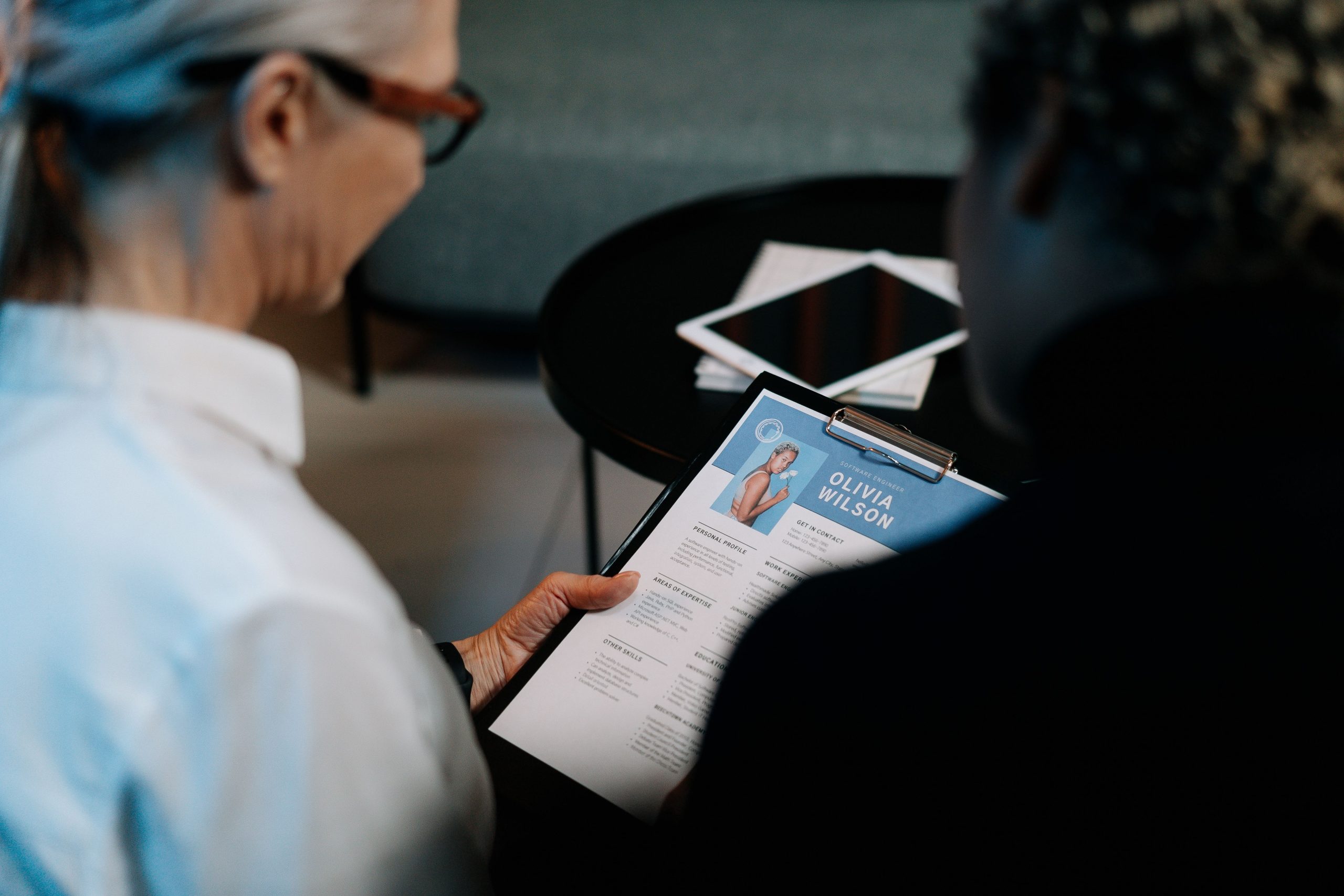
Bring your documents even if you think you will not need them
It is a small thing but it shows you are prepared
Extra copies of your CV, maybe a portfolio if that applies
It is like carrying an umbrella, you might not need it but when you do you are very glad you have it
Body language, this one is subtle but powerful
You can say all the right things and still come across unsure if your body is saying something else
Sit straight but not stiff, make eye contact but do not stare like a statue
Smile when it feels natural
And yes you will probably feel a bit awkward, everyone does, the goal is not perfection just awareness
The tell me about yourself question, the classic
This one sets the tone and somehow still catches people off guard
Keep it simple, where you are now, what you have done, where you are heading
Do not go all the way back to childhood, nobody needs that
And do not rush it either, take a breath, start steady, it is okay to take a second to think
The harder questions, the ones that make you pause
Like talking about failure or weakness
There is always that moment where you think how honest should I be
The answer is honest but thoughtful
Do not pretend you have no weaknesses, that is not believable
But also do not unload something that makes the interviewer worry
Find that middle ground, something real but also something you are working on
Nerves, they will be there, do not fight them too much
Trying to eliminate nerves completely is like trying to stop the wind
Instead just manage them
Take a breath before answering, slow down a little, it is not a race
And remember the interviewer is just a person, not some all knowing judge, they are trying to figure things out too
Sometimes they are just as tired as you are
Be yourself but also your best version, which sounds contradictory but it is not
You do not need to perform a fake personality
But you do need to show up with intention
Clear, engaged, present
If you do not know something say it and then show how you would figure it out
That honesty builds more trust than pretending
Talk about what you have actually done not just what you were supposed to do
There is a difference
Anyone can list responsibilities
Not everyone can explain impact
Even small wins matter, improving a process, helping a team member, finishing something under pressure
Those details make you real
After the interview, do not just disappear
A short message saying thank you, that you appreciated the time, maybe referencing something you talked about
It is simple but it leaves a mark
And surprisingly many people skip it
Then the waiting, which is its own kind of challenge
You replay everything in your head, that answer, that pause, that one sentence you wish you could redo
That is normal
Try not to over analyze every second
Take what you can learn and move on
Because each interview makes the next one a little easier, even if it does not feel like it immediately
So yeah preparing for a job interview is not just a checklist, it is a mix of thinking, practicing, doubting, adjusting, and trying again
Messy, a bit unpredictable, sometimes frustrating
But also kind of a skill you build over time without realizing it
And eventually you walk into a room, or log into a call, and something feels different
Not perfect, not effortless, but steadier
And that is usually enough.







Leave a Reply